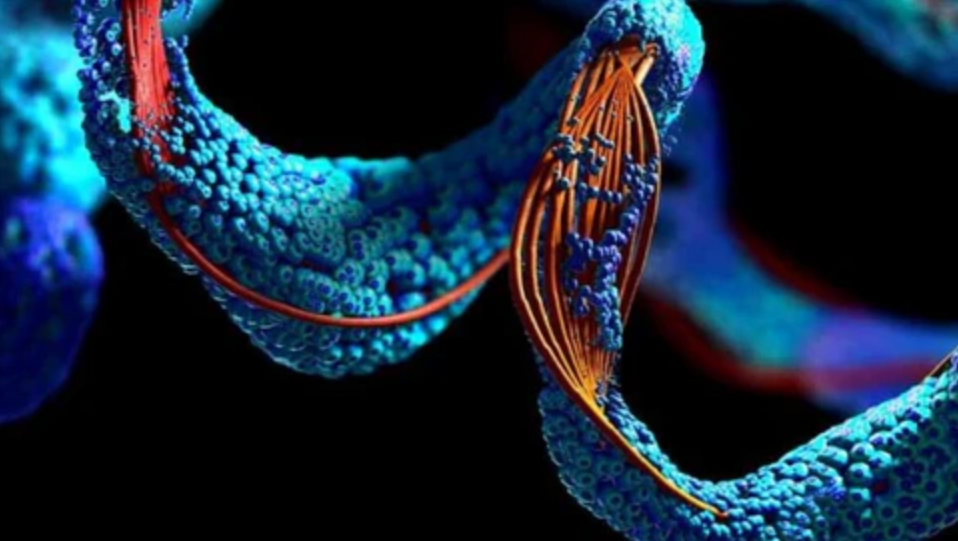
Introduction to Other Enzymes
Enzymes are biological catalysts that accelerate chemical reactions in living organisms, playing essential roles in metabolism, cellular function, and biochemical pathways. While commonly studied enzymes like proteases, lipases, and amylases are well known, the category of “other enzymes” encompasses a wide variety of less-characterized or specialized enzymes that contribute to diverse biological processes. These enzymes are increasingly important in both research and industrial applications, offering unique capabilities that extend beyond conventional enzymatic functions.
Biological Significance of Other Enzymes
Other enzymes participate in specialized cellular processes, including signal transduction, DNA repair, and energy metabolism. They regulate pathways that are critical for maintaining cellular homeostasis and responding to environmental changes. Some of these enzymes other enzymes, such as oxidoreductases, transferases, and lyases, catalyze specific reactions that are not covered by classical enzyme categories. Understanding these enzymes provides insights into complex biological systems and reveals potential targets for therapeutic intervention.
Applications in Biotechnology and Industry
In addition to their biological roles, other enzymes are widely used in biotechnology and industrial processes. Certain enzymes facilitate biofuel production, degrade environmental pollutants, or synthesize novel chemical compounds. In molecular biology, enzymes such as ligases, polymerases, and restriction endonucleases are indispensable tools for genetic engineering and DNA manipulation. The versatility of these enzymes allows scientists and engineers to develop innovative solutions across medicine, agriculture, and sustainable manufacturing.
Advantages of Utilizing Other Enzymes
The unique specificity and catalytic efficiency of other enzymes offer several advantages. They can accelerate reactions under mild conditions, reduce energy consumption, and minimize the use of hazardous chemicals in industrial processes. Their ability to catalyze difficult or highly selective reactions makes them valuable in creating fine chemicals, pharmaceuticals, and diagnostic reagents. In research, these enzymes enable precise manipulation of biomolecules, enhancing experimental reproducibility and reliability.
Challenges and Future Directions
Despite their potential, studying and applying other enzymes can present challenges. Many enzymes are sensitive to environmental conditions, exhibit low stability, or require cofactors for activity. Advances in protein engineering, directed evolution, and recombinant expression systems are addressing these limitations, improving enzyme stability, activity, and scalability. The future of these enzymes includes expanding their industrial applications, discovering novel catalytic activities, and harnessing them for sustainable biotechnology solutions.
Conclusion
Other enzymes, though less prominent than classical enzyme classes, are essential for a wide range of biological and industrial functions. Their specialized activities contribute to cellular regulation, innovative biotechnology applications, and industrial processes. Continued research and technological advancements promise to uncover new enzymes and enhance their utility, driving progress in science, medicine, and sustainable industry practices.
Comments on “Other Enzymes: Exploring Their Roles in Biology and Industry”